A personal brand is the reputation people associate with you.
It is not simply a logo, website, or social media profile. Your personal brand is shaped by what you know, how you communicate, the problems you solve, and how people experience working with you.
A strong personal brand can help professionals attract customers, employers, partners, speaking opportunities, and meaningful relationships.
Define What You Want to Be Known For
Start by choosing a clear area of expertise.
You do not need to know everything.
Perhaps you want to be known for small business marketing, web development, financial education, graphic design, sales, or leadership.
A focused area makes your content and networking more recognizable.
Share Useful Knowledge
One of the simplest ways to build authority is to teach.
Share practical lessons from your work.
You can publish:
- Articles
- Short videos
- Case studies
- Tutorials
- Industry observations
- Checklists
- Professional opinions
Do not worry about being an absolute expert.
If you have useful experience, you can explain what you know.
Create a Consistent Online Profile
Make sure your professional profiles communicate the same basic message.
Use a clear photo, professional description, relevant experience, and links to your work.
Your profile should quickly answer:
Who are you?
What do you do?
Who do you help?
Network With Purpose
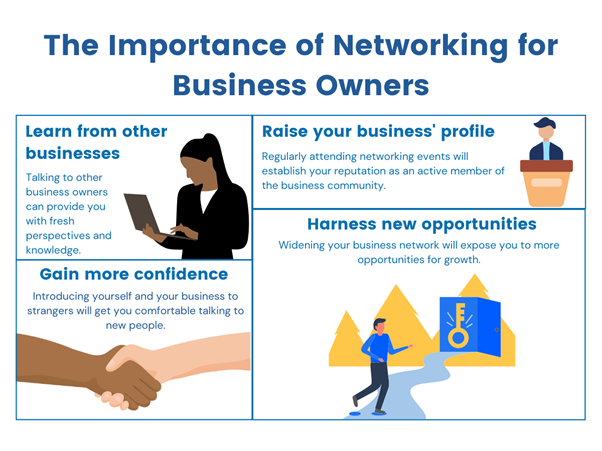
Personal branding and networking work well together.
When people discover your profile after meeting you, useful content can reinforce their impression of you.
Attend events, join professional communities, participate in online discussions, and connect with people in your industry.
Avoid Trying to Impress Everyone
A personal brand becomes weaker when it tries to appeal to everyone.
It is better to have a clear identity.
Your communication style, expertise, and values should attract people who appreciate what you offer.
Be Consistent
You do not need to publish content every day.
Consistency is more important than volume.
For example, publishing one useful article each week may be more sustainable than publishing ten pieces of low-quality content and disappearing for months.
Engage With Other People
Personal branding should not be a one-way broadcast.
Comment on other people’s ideas. Ask questions. Congratulate professionals on achievements.
Meaningful interaction helps people remember you.
Give Before Asking
If you want to build a strong professional network, become useful.
Share a relevant resource. Introduce two people who could benefit from knowing each other. Offer thoughtful feedback.
Relationships become stronger when both sides receive value.
Build Proof of Expertise
Claims are less powerful than evidence.
If you say you are good at marketing, show examples.
Publish case studies. Explain projects. Share lessons from successful and unsuccessful experiments.
This makes your professional reputation more credible.
Keep Your Reputation Professional
Everything you publish can contribute to your personal brand.
Think before posting controversial, misleading, or unnecessarily aggressive content.
You do not have to be boring. Authenticity is valuable. But professionalism and respect should remain important.