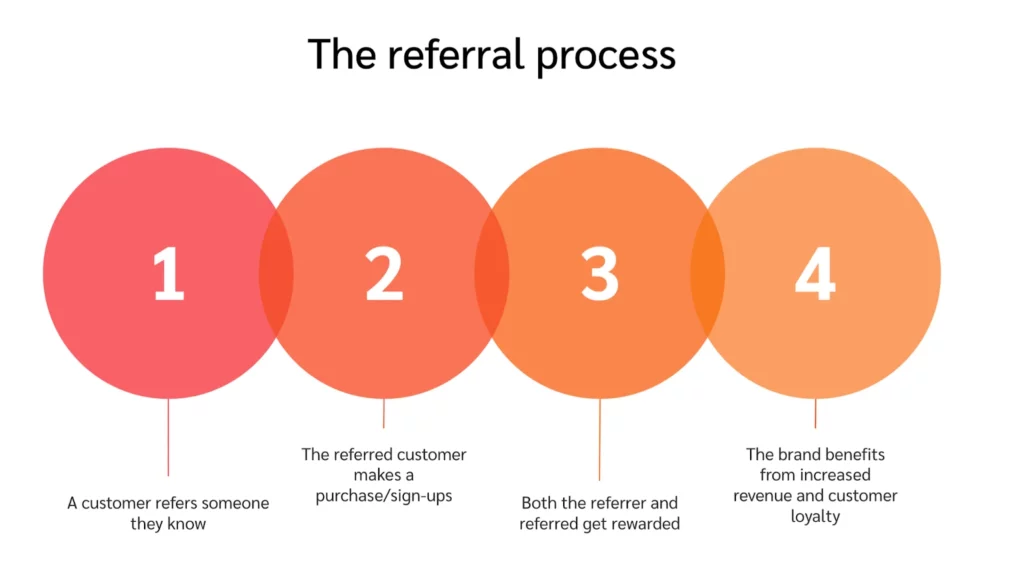
A recommendation from a satisfied customer can be more powerful than a traditional advertisement.
People naturally pay attention to experiences shared by friends, colleagues, family members, and other customers. This makes referrals an important opportunity for small businesses.
A referral strategy does not have to be complicated. The foundation is simple: deliver a good experience, make referrals easy, and give customers a reason to recommend you.
Why Referrals Are Valuable
Customers who arrive through recommendations often have a different level of trust.
Someone they know has already introduced them to your business.
This can reduce uncertainty and make the initial conversation easier.
Small-business marketing research has shown that referrals can be a particularly strong customer acquisition source, especially for smaller companies.
Start With a Great Customer Experience
No referral program can compensate for poor service.
Before asking customers to recommend you, make sure the customer experience is strong.
Respond promptly. Deliver what you promised. Communicate clearly. Solve problems professionally.
A customer who feels respected is more likely to talk positively about your business.
Ask at the Right Time
Timing matters.
If a customer has just told you that they are happy with the product, that may be an appropriate moment to ask for a referral.
For example:
“If you know someone who could benefit from this service, we would appreciate an introduction.”
The request does not need to be complicated.
Make Referrals Easy
If customers have to complete five steps to recommend your business, many will not do it.
Provide a simple referral link, contact method, or message they can easily share.
You can also create a short description explaining what your business does.
Consider a Referral Incentive
Some businesses offer discounts, credits, bonuses, or other rewards.
For example, a customer might receive a discount on their next purchase when a referred customer completes a purchase.
The exact structure depends on your business model and applicable rules.
However, incentives should support the customer experience rather than replace it.
Create a Referral Program
A formal referral program can make the process more consistent.
Define:
- Who can participate
- What qualifies as a referral
- What reward is offered
- When the reward is delivered
- How referrals are tracked
Keep the rules simple.
Build Partnerships
Referrals do not have to come only from customers.
Business partners can also recommend your services.
For example, a graphic designer might refer clients to a web developer. A real estate professional might recommend a moving company.
Look for businesses serving a similar audience without directly competing.
Track Your Referrals
Measure how many customers come from referrals.
Track:
- Number of referrals
- Conversion rate
- Revenue
- Cost of rewards
- Repeat purchases
This helps you understand whether the referral program is producing meaningful results.
Thank People Who Refer You
A simple thank-you can strengthen the relationship.
You could send a personal message, offer a small reward, or simply acknowledge their support.
People appreciate knowing that their recommendation made a difference.
Do Not Make Referrals Feel Forced
Customers should feel comfortable saying no.
Avoid aggressive referral requests or constant reminders.
The strongest referral systems are based on genuine satisfaction.