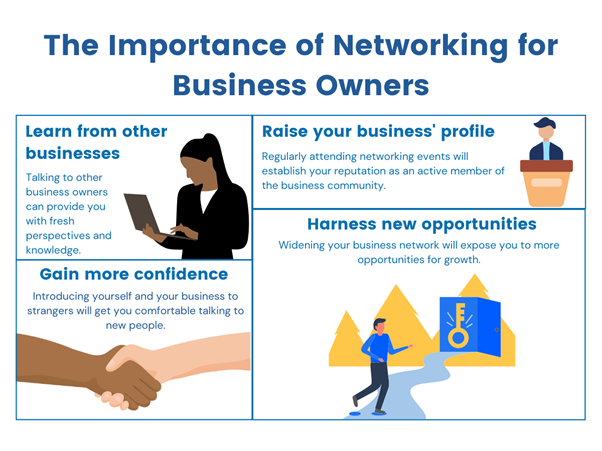
In the modern financial landscape, successful investing is about more than analyzing numbers, studying market trends, and understanding economic indicators. While these skills remain important, another powerful factor often influences investment success: networking. Building strong professional relationships can provide access to valuable information, expert insights, and investment opportunities that may not be available to the general public.
Whether you are a beginner investor, an entrepreneur seeking funding, or an experienced individual looking to diversify your portfolio, networking can significantly improve your ability to identify and evaluate investment opportunities. In many cases, the right connection can open doors that financial knowledge alone cannot.
This article explores how networking helps investors secure better opportunities and why relationship-building should be an essential part of every investment strategy.
Understanding the Connection Between Networking and Investing
Networking involves developing relationships with people who share professional, business, or financial interests. These connections may include investors, entrepreneurs, financial advisors, business owners, industry experts, and mentors.
Investment opportunities often emerge through conversations, recommendations, and trusted relationships. While public markets provide access to widely available investments, many attractive opportunities are discovered through personal and professional networks.
Networking can help investors:
- Gain access to exclusive opportunities.
- Learn from experienced professionals.
- Stay informed about emerging trends.
- Receive referrals and recommendations.
- Reduce investment risks through shared knowledge.
- Build credibility within investment communities.
Strong networks provide valuable resources that support smarter financial decision-making.
Access to Opportunities Before They Become Public
One of the greatest advantages of networking is early access to investment opportunities. Many private investments, startup funding rounds, real estate partnerships, and business acquisitions are initially shared within trusted networks before reaching a broader audience.
Entrepreneurs often seek funding from people they know or through introductions from mutual contacts. Likewise, investors frequently share opportunities with individuals they trust.
Being part of an active investment network increases the likelihood of learning about promising opportunities before they become widely known. Early access can provide additional time for research, due diligence, and decision-making.
In competitive markets, timing can be a significant advantage.
Learning from Experienced Investors
Networking creates opportunities to learn from people who have already achieved success in investing. Experienced investors often possess valuable insights gained through years of practical experience.
These individuals can provide guidance on:
- Investment strategies.
- Risk management techniques.
- Portfolio diversification.
- Market analysis.
- Long-term wealth-building principles.
Learning directly from experienced investors can help newcomers avoid common mistakes and develop more effective approaches to investing.
Mentorship relationships formed through networking can accelerate financial education far more effectively than relying solely on books or online resources.
Staying Informed About Market Trends
Markets constantly evolve due to economic changes, technological innovation, consumer behavior, and global events. Investors who stay informed are generally better equipped to identify opportunities and respond to risks.
Networking allows investors to exchange ideas and insights with professionals across different industries. These conversations often reveal trends before they become widely recognized.
For example, discussions with technology professionals may highlight emerging innovations, while conversations with real estate experts may reveal changes in local property markets.
By gathering information from diverse sources, investors can develop a broader understanding of market conditions and make more informed decisions.
Building Trust and Credibility
Trust plays a crucial role in many investment opportunities. Individuals and organizations are often more willing to share opportunities with people they know and respect.
Consistent networking helps investors build credibility within professional communities. Over time, demonstrating integrity, reliability, and expertise can strengthen relationships and increase access to valuable opportunities.
When people view you as trustworthy and knowledgeable, they may be more likely to:
- Recommend investment opportunities.
- Introduce you to influential contacts.
- Include you in private investment discussions.
- Partner with you on projects.
Credibility is a valuable asset that can expand opportunities throughout an investor’s career.
Finding Strategic Investment Partners
Many investments require collaboration. Real estate developments, startup funding rounds, and business acquisitions often involve multiple investors working together.
Networking helps individuals find partners whose skills, experience, and resources complement their own. Strategic partnerships can make larger investments possible while distributing risk among participants.
Collaborative investing may offer benefits such as:
- Access to larger deals.
- Shared expertise.
- Expanded due diligence capabilities.
- Reduced financial exposure.
- Greater diversification opportunities.
Building relationships with trustworthy partners can significantly improve investment outcomes over time.
Improving Due Diligence
Successful investing requires careful evaluation of opportunities. Networking provides access to experts who can offer insights during the due diligence process.
For example:
- Financial professionals can analyze financial statements.
- Industry experts can assess market potential.
- Legal advisors can identify regulatory concerns.
- Experienced investors can evaluate risks.
Access to knowledgeable contacts helps investors make more informed decisions and avoid costly mistakes.
A strong network acts as an additional layer of protection against poor investment choices.
Expanding Access to Different Asset Classes
Many investors begin with traditional investments such as stocks, bonds, and mutual funds. However, networking can introduce individuals to alternative investment opportunities they may not have considered.
Examples include:
- Private equity.
- Venture capital.
- Commercial real estate.
- Angel investing.
- Franchise ownership.
- Business partnerships.
Exposure to diverse investment options can improve portfolio diversification and potentially increase long-term returns.
Networking broadens awareness of opportunities beyond what is commonly available through public channels.
Leveraging Online Networking Platforms
Technology has transformed how investors connect with one another. Online communities, professional networking platforms, webinars, podcasts, and virtual conferences provide opportunities to build relationships regardless of geographic location.
Digital networking enables investors to:
- Connect with global experts.
- Join investment-focused communities.
- Participate in educational discussions.
- Discover emerging opportunities.
- Expand professional reach.
While online networking offers convenience, authenticity remains essential. Meaningful relationships are built through consistent engagement, trust, and mutual value.
Effective Networking Practices for Investors
To maximize the benefits of networking, investors should focus on relationship-building rather than immediate gains.
Best practices include:
- Attend investment and industry events regularly.
- Participate in professional communities.
- Seek mentorship opportunities.
- Offer value before asking for favors.
- Maintain regular communication with contacts.
- Share knowledge and insights with others.
- Build a reputation for professionalism and integrity.
Networking is most effective when approached as a long-term investment in relationships.
Conclusion
Networking is a powerful tool that can help investors secure better opportunities, gain valuable knowledge, and improve financial decision-making. While research and analysis remain critical components of investing, strong relationships often provide access to information and opportunities that are unavailable through traditional channels.
By connecting with experienced investors, industry experts, entrepreneurs, and financial professionals, individuals can expand their understanding of the investment landscape and identify opportunities with greater confidence.
In an increasingly interconnected world, successful investing is not just about what you know—it is also about who you know and the relationships you cultivate. By investing time in networking, investors can unlock opportunities that support long-term financial growth and wealth creation.