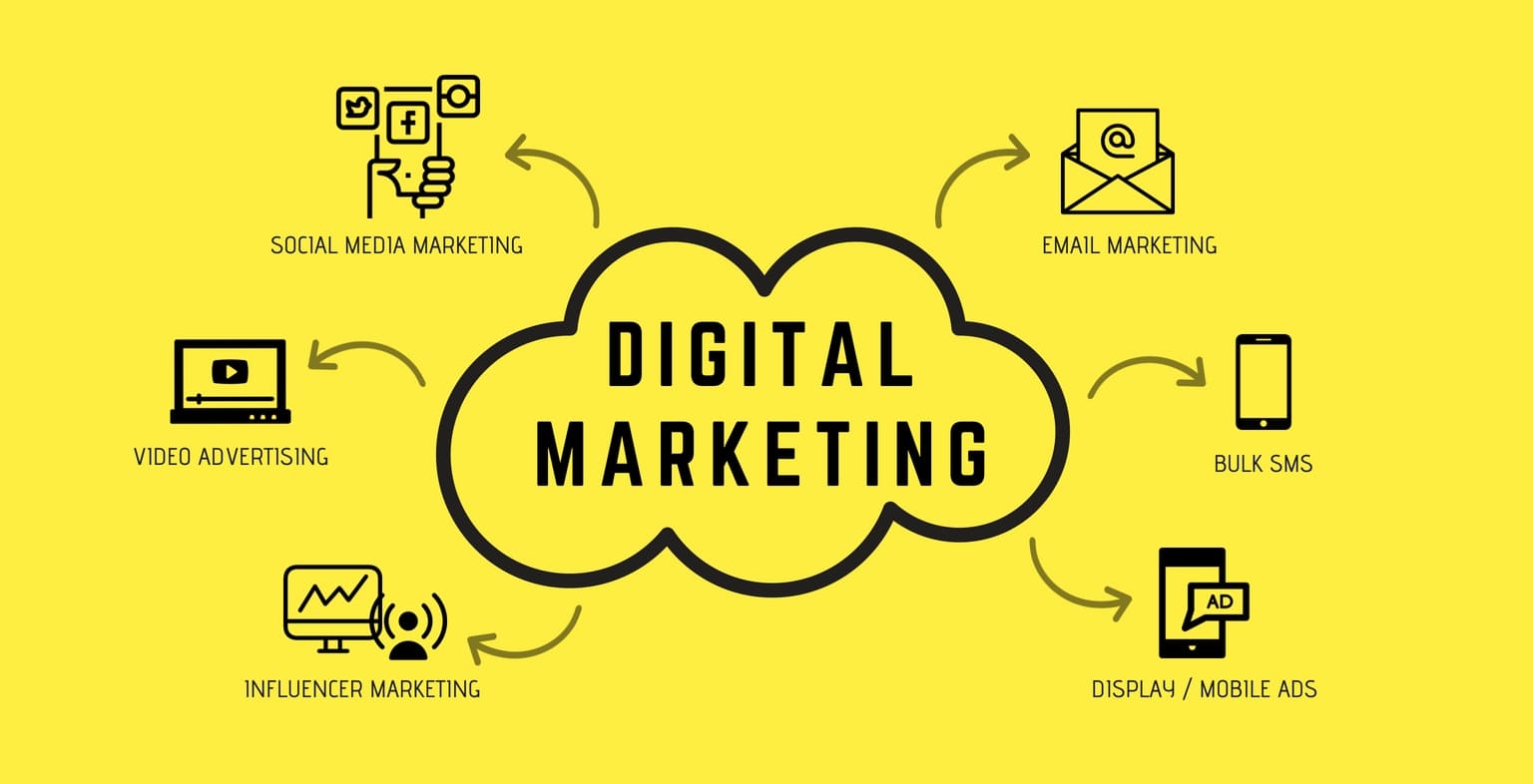
Digital marketing has changed the way small businesses find and communicate with customers. A local shop, freelancer, online store, restaurant, consultant, or service provider can now reach potential customers through search engines, social media, email, video, and other digital channels.
The challenge is not whether digital marketing works. The bigger challenge is choosing the right channels and using them consistently.
Build a Professional Online Presence
Your website is often one of the first places potential customers look for information.
A useful business website does not need hundreds of pages. It should clearly explain what you offer, who you serve, why customers should trust you, and how they can contact or purchase from you.
Make sure your website works well on mobile devices and loads quickly.
Use SEO to Become Discoverable
Search engine optimization, or SEO, helps your website appear when people search for relevant information.
For example, a local plumber might target searches related to emergency plumbing services, while an accounting firm might create content around small business tax questions.
Effective SEO starts with understanding what customers are actually searching for.
Create useful pages that answer real questions rather than simply filling pages with keywords.
Take Social Media Seriously
Social media can help businesses build awareness and relationships.
Instead of posting only promotional messages, provide useful content.
You could share:
- Tips
- Tutorials
- Product demonstrations
- Customer stories
- Behind-the-scenes content
- Frequently asked questions
- Short educational videos
Recent small-business marketing research shows social media remains one of the most widely used marketing channels, while referrals, SEO, email, and online advertising also remain important sources of customers.
Create Helpful Content
Content marketing allows businesses to demonstrate knowledge before asking people to buy.
Suppose you sell accounting software. Instead of only saying “Buy our software,” create articles about managing invoices, organizing expenses, or choosing accounting tools.
Useful content can attract people earlier in the buying journey.
Use Video Marketing
Video has become an important format for education and product discovery.
You do not necessarily need expensive equipment.
A smartphone, good lighting, clear audio, and useful information can be enough.
Create short videos that answer customer questions or demonstrate how your product works.
Build an Email List
Social media platforms can change their algorithms, but an email list gives you a direct communication channel with subscribers.
Offer something useful in exchange for an email address, such as a checklist, guide, discount, template, or educational resource.
Then send useful information rather than overwhelming subscribers with constant promotions.
Use AI as an Assistant
AI tools can help small businesses generate ideas, organize research, draft content, analyze information, and automate repetitive tasks.
However, AI should not replace human judgment.
Recent research and business reporting show that small businesses are increasingly using AI for marketing, particularly content creation and productivity, while human oversight remains important for strategy and accuracy.
Use AI to save time, but keep your brand voice, customer knowledge, and final decisions human.
Measure What Matters
Do not measure digital marketing only by likes or followers.
Track meaningful metrics such as:
- Website visitors
- Leads
- Conversion rate
- Customer acquisition cost
- Email sign-ups
- Sales
- Repeat purchases
The goal of marketing is not simply to create activity. The goal is to create business results.
Start With a Few Channels
Small businesses often make the mistake of trying every platform at once.
You may achieve better results by choosing two or three channels that match your audience.
For example, a B2B consultant might prioritize LinkedIn, SEO, and email. A local restaurant might focus on Google Business visibility, Instagram, and short-form video.