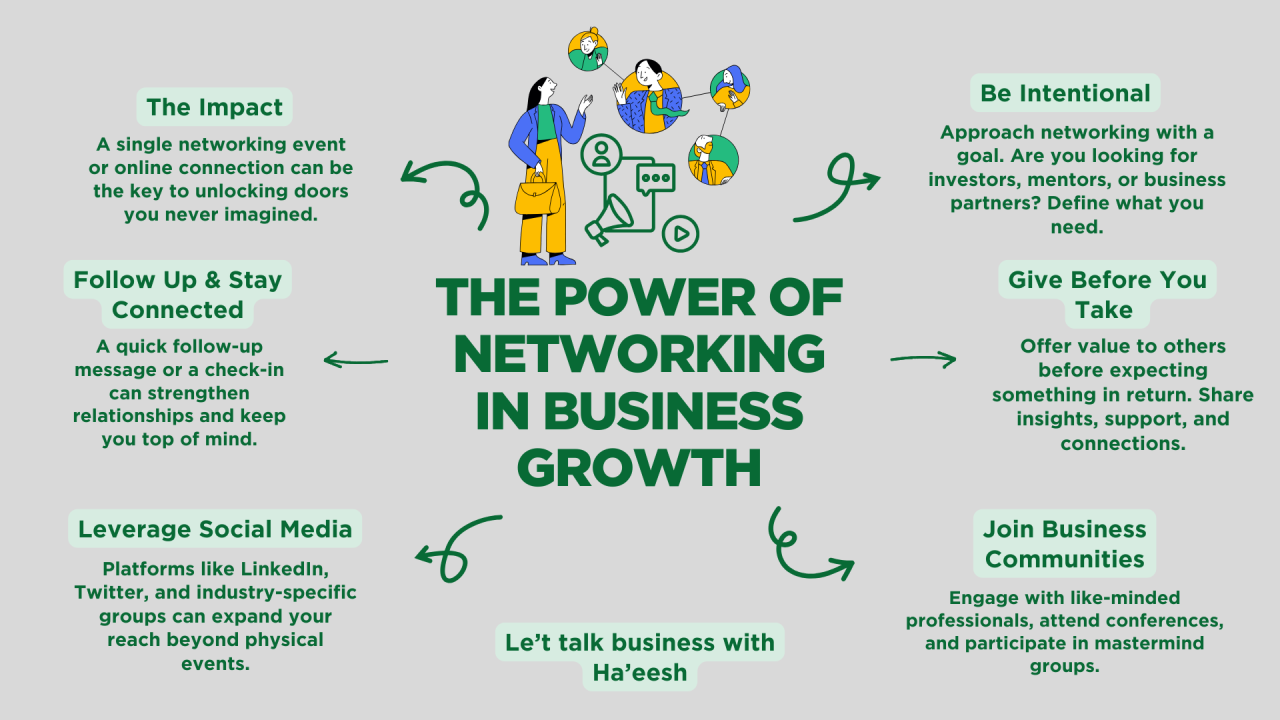
In today’s fast-paced and highly competitive economy, business success is no longer determined solely by the quality of a product or service. While innovation, customer satisfaction, and operational efficiency remain essential, one factor continues to play a crucial role in long-term success: networking. Building strong professional relationships can open doors to opportunities that directly contribute to financial growth, career advancement, and business expansion.
Whether you are an entrepreneur, freelancer, startup founder, or business executive, understanding how networking influences financial success can help you create sustainable growth strategies. This guide explores the connection between business networking and financial growth, offering practical insights to help you maximize the value of your professional relationships.
What Is Business Networking?
Business networking is the process of creating and maintaining professional relationships with individuals and organizations that can support your personal or business goals. These relationships may include:
- Customers
- Suppliers
- Investors
- Business partners
- Industry experts
- Mentors
- Colleagues
- Professional associations
Networking is not simply about exchanging contact information or attending events. Successful networking involves building trust, offering value, and developing long-term relationships that benefit all parties involved.
In a business environment where trust often influences decisions, networking serves as a powerful tool for creating opportunities and establishing credibility.
Why Networking Matters for Financial Growth
Financial growth is often linked to access—access to information, opportunities, resources, and people. Networking helps create that access.
Professionals with strong networks frequently enjoy benefits such as:
- Increased business opportunities
- More customer referrals
- Greater industry visibility
- Better career prospects
- Access to investment opportunities
- Strategic partnerships
- Valuable market insights
These advantages can directly contribute to higher revenue, increased profitability, and long-term wealth creation.
Networking expands your reach beyond what traditional marketing or advertising alone can achieve.
Building a Strong Professional Network
Creating a valuable network requires intention and consistency. Rather than focusing on the number of contacts you have, prioritize the quality of your relationships.
Attend Industry Events
Conferences, trade shows, workshops, and seminars remain some of the most effective networking opportunities.
These events allow you to:
- Meet industry professionals
- Learn about market trends
- Connect with potential customers
- Discover partnership opportunities
Face-to-face interactions often help establish stronger and more memorable relationships.
Join Professional Organizations
Industry associations and business groups provide ongoing opportunities to connect with like-minded professionals.
Membership often includes:
- Networking events
- Educational resources
- Leadership opportunities
- Industry updates
Active participation increases visibility and credibility within your professional community.
Utilize Online Networking Platforms
Digital networking has become an essential part of modern business development.
Professional online platforms allow you to:
- Connect with industry experts
- Participate in discussions
- Share valuable insights
- Expand your professional reach
Online networking enables relationships that extend beyond geographic limitations.
The Role of Trust in Business Relationships
Trust is the foundation of successful networking. People prefer to work with individuals and organizations they trust.
Building trust requires:
- Consistent communication
- Honesty and transparency
- Reliability
- Professionalism
- Delivering on commitments
Trust-based relationships often result in repeat business, referrals, and long-term partnerships.
The stronger the trust within your network, the greater the likelihood of receiving valuable opportunities.
How Networking Generates Revenue
Many business opportunities originate through personal and professional connections rather than direct advertising.
Networking can generate revenue through several channels.
Customer Referrals
Satisfied clients and professional contacts often recommend trusted businesses to others.
Referral-based customers tend to:
- Convert more easily
- Require less marketing effort
- Demonstrate greater loyalty
A strong network can become one of the most reliable sources of new business.
Strategic Partnerships
Partnerships allow businesses to leverage each other’s strengths and resources.
Examples include:
- Joint marketing campaigns
- Referral agreements
- Collaborative projects
- Service integrations
These partnerships can increase market reach and create new revenue streams.
Business Opportunities
Networking frequently leads to invitations for consulting projects, speaking engagements, collaborations, and other income-generating opportunities.
The more visible and respected you become within your network, the more opportunities are likely to emerge.
Networking and Career Advancement
Networking is not only valuable for business owners. Employees and professionals can also benefit significantly.
Strong professional relationships can help individuals:
- Discover job opportunities
- Gain recommendations
- Access mentorship
- Learn about promotions
- Develop leadership skills
Many high-level positions are filled through referrals and professional connections.
Networking allows professionals to stay informed about opportunities that may not be publicly advertised.
Leveraging Networking for Investment Opportunities
Investors frequently rely on their networks to identify and evaluate opportunities.
Through networking, individuals can:
- Learn about emerging markets
- Access private investment opportunities
- Connect with experienced investors
- Gain valuable financial insights
Professional relationships can provide information that supports smarter investment decisions.
Networking also helps investors find partners for larger projects that may be difficult to pursue independently.
Creating Value Before Seeking Returns
One of the most important principles of effective networking is focusing on giving rather than immediately receiving.
Ways to create value include:
- Sharing knowledge
- Making introductions
- Offering support
- Providing resources
- Helping solve problems
People are more likely to support individuals who consistently contribute to the success of others.
This approach strengthens relationships and often leads to long-term financial benefits.
Common Networking Mistakes to Avoid
Many professionals fail to maximize networking opportunities because they focus on short-term gains.
Common mistakes include:
Being Overly Promotional
Constantly selling products or services can discourage meaningful relationships.
Neglecting Follow-Up
Many opportunities are lost because people fail to maintain communication after initial meetings.
Prioritizing Quantity Over Quality
A smaller network of trusted relationships often provides greater value than a large network of weak connections.
Ignoring Mutual Benefits
Successful networking creates value for everyone involved.
Avoiding these mistakes improves the quality and effectiveness of your network.
Long-Term Financial Benefits of Networking
The true value of networking often becomes apparent over time.
Long-term benefits may include:
- Sustainable revenue growth
- Increased business resilience
- Stronger professional reputation
- Enhanced career opportunities
- Access to exclusive opportunities
- Greater financial stability
Networking creates a foundation for continued growth by expanding access to people, information, and resources.
Many successful entrepreneurs and executives view networking as one of the most important investments they can make.
Strategies for Maintaining Strong Relationships
Building a network is only the beginning. Long-term success depends on maintaining relationships consistently.
Effective strategies include:
- Staying in touch regularly
- Sharing useful information
- Supporting others’ goals
- Celebrating achievements
- Participating in industry discussions
Relationship maintenance helps ensure that connections remain active and valuable.
Strong networks are built through ongoing engagement rather than occasional interaction.
Conclusion
Business networking is one of the most powerful tools for achieving financial growth and long-term professional success. By building meaningful relationships, establishing trust, and consistently providing value, individuals can create opportunities that drive revenue, support career advancement, and improve financial stability.
Whether you are an entrepreneur seeking new customers, a professional pursuing career growth, or an investor exploring new opportunities, networking can significantly expand your possibilities. The most successful professionals understand that business growth is not only about what you know—it is also about the relationships you build along the way.
By investing time and effort into networking, you create a foundation for sustainable financial growth, stronger business performance, and lasting success in an increasingly connected world.