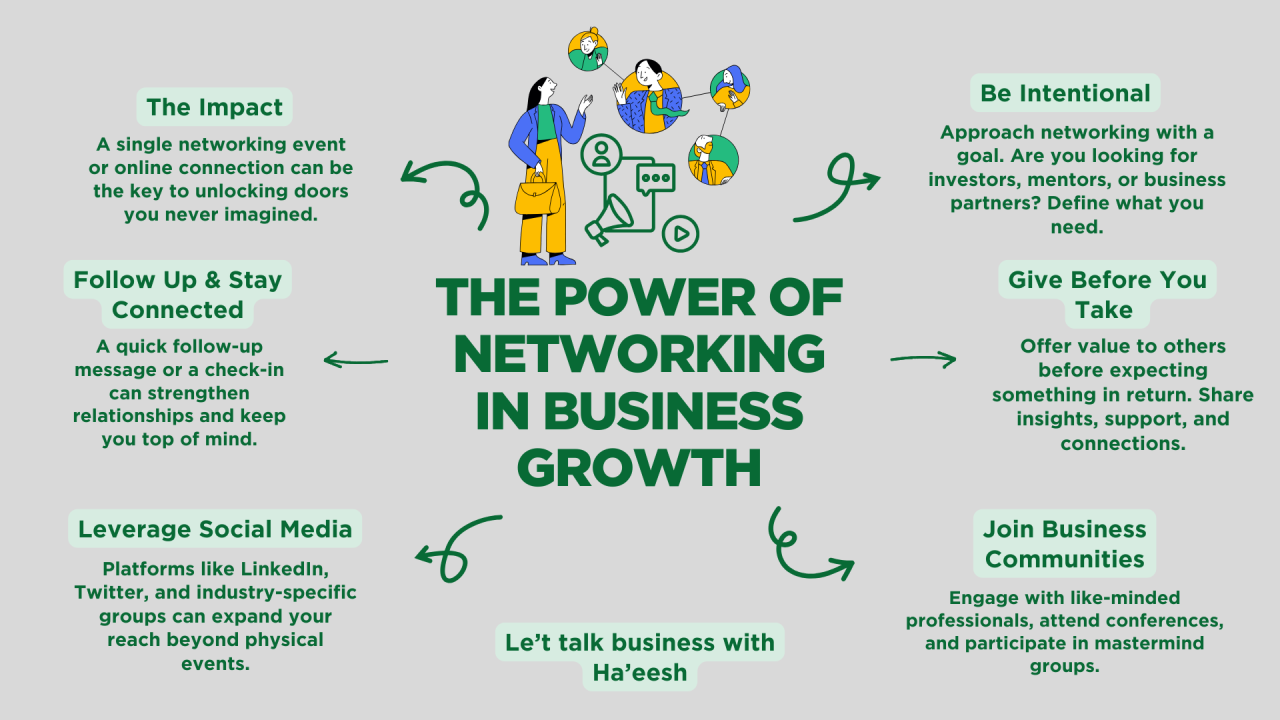
In the modern business world, success is often driven by more than just a great product, innovative ideas, or competitive pricing. While these factors are important, one of the most valuable assets a business can develop is a strong professional network. Networking has evolved from a simple career-building activity into a powerful strategy for generating opportunities, increasing revenue, and achieving long-term business growth.
Many successful entrepreneurs and business leaders attribute a significant portion of their achievements to the relationships they have built throughout their careers. The ability to connect with the right people, establish trust, and create mutually beneficial partnerships can transform professional relationships into measurable business success.
This article explores how networking can lead to profitability and provides practical strategies for turning valuable connections into long-term business opportunities.
Understanding the Power of Business Networking
Business networking is the process of building and maintaining professional relationships with individuals who can contribute to your personal or organizational growth. These connections may include:
- Potential customers
- Industry experts
- Business partners
- Investors
- Suppliers
- Mentors
- Professional peers
Effective networking is not about collecting as many contacts as possible. Instead, it focuses on creating meaningful relationships based on trust, communication, and mutual value.
Strong networks provide access to information, resources, and opportunities that can significantly influence business performance.
Why Relationships Matter in Business
People generally prefer to do business with individuals they know, trust, and respect. This is why relationships often play a critical role in purchasing decisions, partnership agreements, and investment opportunities.
Professional relationships help businesses:
- Build credibility
- Increase visibility
- Generate referrals
- Access new markets
- Improve collaboration
- Strengthen customer loyalty
In many cases, a trusted recommendation can be more effective than expensive advertising campaigns.
Networking creates a foundation for these trust-based opportunities, making it easier to establish and grow profitable business relationships.
Building a Network with Purpose
Networking becomes most effective when approached strategically. Instead of connecting with people randomly, business professionals should focus on building relationships that align with their goals and values.
Useful networking opportunities include:
- Industry conferences
- Trade shows
- Business seminars
- Entrepreneur meetups
- Professional associations
- Online communities
- Virtual events
When attending networking events, focus on quality rather than quantity. A few meaningful connections can often provide more value than dozens of superficial interactions.
Building relationships with people who share similar interests or complementary expertise can create opportunities for future collaboration.
Creating Value Before Seeking Profit
One of the most important principles of successful networking is providing value before expecting anything in return.
Many people make the mistake of approaching networking solely as a sales opportunity. However, the strongest professional relationships are built on mutual support and shared benefits.
You can create value by:
- Sharing useful information
- Providing introductions
- Offering advice
- Recommending resources
- Supporting others’ goals
When people recognize your willingness to help, they are more likely to trust you and consider future business opportunities.
Long-term profitability often begins with generosity and relationship-building rather than immediate transactions.
Turning Connections into Customers
One of the most direct ways networking contributes to business success is through customer acquisition.
Professional contacts can become:
- Direct customers
- Referral sources
- Brand advocates
Because trust already exists within the relationship, networking often shortens the sales process and improves conversion rates.
To effectively turn connections into customers:
- Focus on understanding their needs.
- Offer solutions rather than sales pitches.
- Demonstrate expertise.
- Maintain regular communication.
- Deliver exceptional service.
Satisfied customers frequently introduce businesses to others, creating a cycle of referrals that supports continued growth.
Developing Strategic Partnerships
Not every networking opportunity leads directly to a sale. Some of the most profitable relationships emerge through strategic partnerships.
Strategic partnerships involve collaboration between organizations or professionals with complementary strengths.
Examples include:
- Referral partnerships
- Joint marketing campaigns
- Co-hosted events
- Product collaborations
- Service integrations
These partnerships allow businesses to expand their reach, access new audiences, and generate additional revenue streams.
Networking helps identify potential partners whose goals align with your own.
Learning from Industry Experts
Networking provides access to individuals with valuable knowledge and experience. Conversations with industry experts can reveal insights that improve decision-making and support business growth.
Professional networks can help you learn about:
- Market trends
- Customer behavior
- Emerging technologies
- Industry challenges
- Growth opportunities
Continuous learning enables businesses to adapt more effectively and maintain a competitive advantage.
Often, the information gained through networking can be just as valuable as the direct financial opportunities it creates.
Building Trust and Credibility
Trust is a critical component of business success. People are more likely to buy from, invest in, or partner with organizations they perceive as trustworthy.
Networking allows professionals to establish credibility through:
- Consistent communication
- Professional behavior
- Demonstrated expertise
- Reliability
- Authentic engagement
Over time, trust strengthens relationships and increases the likelihood of profitable opportunities.
A strong reputation within a professional community often attracts opportunities without requiring extensive marketing efforts.
Leveraging Digital Networking
Technology has expanded networking opportunities far beyond traditional face-to-face interactions.
Today, professionals can build relationships through:
- Professional networking platforms
- Industry forums
- Online communities
- Webinars
- Virtual conferences
- Social media discussions
Digital networking allows businesses to connect with professionals worldwide, increasing access to potential customers, partners, and investors.
However, the principles remain the same. Successful online networking requires authenticity, consistency, and a focus on creating value.
Maintaining Long-Term Relationships
Networking should not end after the initial introduction. The most profitable connections are often those that are nurtured over time.
Ways to maintain relationships include:
- Following up regularly
- Sharing relevant information
- Celebrating achievements
- Offering support when appropriate
- Staying engaged through professional communities
Long-term relationships create ongoing opportunities and strengthen trust.
Many business partnerships and customer relationships develop gradually through consistent interaction rather than immediate transactions.
Measuring the Impact of Networking
To maximize results, businesses should evaluate the effectiveness of their networking efforts.
Key metrics may include:
- New customer acquisitions
- Referral leads generated
- Partnership opportunities created
- Revenue from networking activities
- Customer retention rates
Tracking outcomes helps identify which networking strategies deliver the greatest return on investment.
Understanding these results allows businesses to focus resources on the most productive relationship-building activities.
Common Networking Mistakes to Avoid
While networking can be highly effective, certain mistakes can limit its value.
Common errors include:
- Focusing only on personal gain
- Being overly promotional
- Neglecting follow-up communication
- Building shallow relationships
- Ignoring opportunities to help others
Successful networking is based on trust, mutual benefit, and long-term engagement rather than short-term transactions.
Avoiding these mistakes helps strengthen professional relationships and improve outcomes.
Conclusion
Networking is one of the most powerful tools available for transforming professional relationships into business success. Strong connections can lead to new customers, strategic partnerships, valuable knowledge, and increased revenue opportunities.
However, successful networking is not about immediate profit. It is about building trust, creating value, and developing meaningful relationships that benefit everyone involved.
By approaching networking with authenticity, consistency, and a long-term perspective, entrepreneurs and professionals can create opportunities that support sustainable growth and profitability. In an increasingly connected business environment, the relationships you build today may become the foundation of your future success.
Ultimately, moving from networking to profit is not about who you know alone—it is about how effectively you nurture relationships and turn connections into lasting business value.