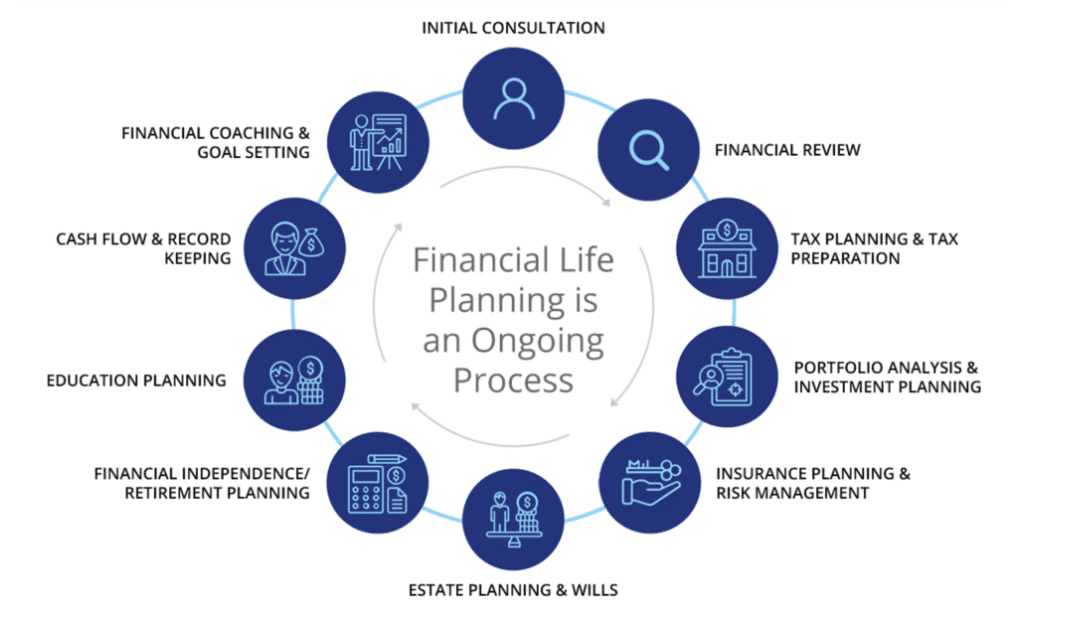
Building a successful business requires more than a great idea, quality products, or effective marketing. Long-term success depends heavily on financial stability and strategic planning. Many businesses experience rapid growth initially but struggle to survive because they lack sound financial management practices. Sustainable businesses are built on strong financial foundations that support growth while minimizing risks.
In today’s competitive marketplace, entrepreneurs must adopt smart financial strategies that allow them to navigate economic uncertainty, changing customer demands, and evolving industry trends. By managing finances wisely, business owners can improve profitability, maintain healthy cash flow, and create a business that remains resilient for years to come.
This article explores essential financial strategies that can help entrepreneurs build and maintain a sustainable business.
Understand Your Business Finances Thoroughly
The first step toward financial sustainability is developing a clear understanding of your business finances. Many entrepreneurs focus primarily on sales and operations while overlooking the financial metrics that determine long-term success.
Business owners should regularly monitor:
- Revenue and sales trends
- Operating expenses
- Profit margins
- Cash flow
- Debt levels
- Financial forecasts
Understanding these key indicators allows entrepreneurs to identify opportunities for improvement and make informed decisions based on real data rather than assumptions.
Businesses that consistently track financial performance are often better prepared to adapt to market changes and unexpected challenges.
Create a Comprehensive Budget
A well-planned budget serves as a roadmap for financial success. It helps businesses allocate resources effectively and maintain control over spending.
An effective business budget should include:
- Fixed expenses
- Variable costs
- Marketing expenditures
- Employee compensation
- Technology investments
- Emergency reserves
- Growth initiatives
Budgeting provides visibility into where money is being spent and highlights areas where costs can be optimized.
Regular budget reviews ensure that spending aligns with business goals and financial realities.
Prioritize Positive Cash Flow
Cash flow is one of the most important factors in business sustainability. Even profitable companies can encounter serious difficulties if they lack sufficient cash to meet daily operational needs.
To maintain healthy cash flow:
- Invoice customers promptly.
- Encourage timely payments.
- Monitor accounts receivable.
- Negotiate favorable supplier terms.
- Reduce unnecessary expenses.
- Maintain adequate working capital.
Strong cash flow management helps businesses remain flexible and capable of handling both opportunities and unexpected challenges.
Entrepreneurs should regularly review cash flow statements to identify trends and potential issues before they become critical.
Build an Emergency Financial Reserve
Economic downturns, supply chain disruptions, market shifts, and unforeseen emergencies can impact any business. Having a financial reserve provides protection during periods of uncertainty.
A business emergency fund can help cover:
- Payroll expenses
- Rent and utilities
- Inventory purchases
- Equipment repairs
- Temporary revenue declines
Financial experts often recommend maintaining reserves that can support several months of operating expenses.
While building a reserve requires discipline, it significantly improves business resilience and reduces dependence on external financing during difficult times.
Manage Debt Responsibly
Debt can be a useful tool for business growth when managed carefully. However, excessive borrowing can create financial stress and limit future opportunities.
Responsible debt management includes:
- Borrowing only when necessary.
- Comparing financing options.
- Understanding repayment obligations.
- Monitoring interest costs.
- Prioritizing high-interest debt repayment.
Before taking on debt, entrepreneurs should evaluate whether the expected return justifies the financial commitment.
A balanced approach to borrowing helps businesses grow while maintaining financial stability.
Diversify Revenue Streams
Businesses that rely heavily on a single product, service, customer, or market are often more vulnerable to economic changes.
Revenue diversification helps reduce risk and create more stable income.
Examples of diversification include:
- Launching complementary products.
- Offering additional services.
- Expanding into new markets.
- Developing subscription-based revenue models.
- Creating digital products.
Multiple revenue streams provide greater flexibility and help businesses remain profitable when one area experiences a decline.
Diversification can also uncover new growth opportunities and improve long-term sustainability.
Invest in Technology and Automation
Technology can significantly improve operational efficiency and reduce costs over time.
Modern businesses can benefit from:
- Accounting software
- Customer relationship management systems
- Automated invoicing tools
- Inventory management solutions
- Data analytics platforms
Automation reduces manual work, minimizes errors, and allows employees to focus on higher-value activities.
Although technology investments may require upfront costs, they often generate substantial long-term savings and productivity improvements.
Businesses that embrace innovation are generally better positioned to compete in evolving markets.
Monitor and Control Expenses
Effective expense management is essential for maintaining profitability.
Regularly reviewing business expenses can help identify:
- Unnecessary subscriptions
- Inefficient processes
- Excessive operational costs
- Underperforming investments
- Opportunities for renegotiating contracts
Small cost reductions across multiple areas can have a significant impact on overall profitability.
Entrepreneurs should establish a culture of financial discipline without compromising product quality or customer satisfaction.
Invest in Employee Development
Employees play a vital role in business success. Investing in workforce development can improve productivity, innovation, and customer service.
Areas for investment include:
- Training programs
- Leadership development
- Technical skills education
- Professional certifications
Well-trained employees often contribute more effectively to business growth and operational efficiency.
Employee retention also reduces recruitment and onboarding costs, creating long-term financial benefits.
A strong workforce supports both profitability and sustainability.
Focus on Long-Term Profitability
Many businesses prioritize rapid growth without considering profitability. While expansion can be beneficial, sustainable businesses balance growth with financial health.
Entrepreneurs should regularly evaluate:
- Gross profit margins
- Customer acquisition costs
- Lifetime customer value
- Operating efficiency
- Return on investment
Focusing solely on revenue growth may hide underlying financial weaknesses.
Long-term profitability provides the resources needed for future investment, innovation, and resilience.
Use Financial Forecasting
Financial forecasting helps businesses prepare for future opportunities and challenges.
Forecasts can estimate:
- Revenue growth
- Seasonal fluctuations
- Cash flow requirements
- Capital expenditures
- Staffing needs
Accurate forecasting enables proactive decision-making rather than reactive responses to financial issues.
Businesses that plan ahead are often more capable of achieving sustainable growth and adapting to changing conditions.
Seek Professional Financial Advice
Entrepreneurs do not need to manage every financial aspect alone. Accountants, financial advisors, and business consultants can provide valuable expertise and guidance.
Professional support can help with:
- Tax planning
- Financial reporting
- Investment decisions
- Risk management
- Business expansion strategies
Working with qualified professionals can improve decision-making and reduce costly mistakes.
External perspectives often reveal opportunities and risks that business owners may overlook.
Conclusion
Building a sustainable business requires more than generating revenue—it requires smart financial management and strategic planning. Entrepreneurs who understand their finances, maintain healthy cash flow, control expenses, and plan for the future are better equipped to achieve long-term success.
By implementing strategies such as budgeting, revenue diversification, responsible debt management, technology investment, financial forecasting, and employee development, businesses can strengthen their foundations and improve resilience.
In an increasingly competitive and unpredictable marketplace, financial sustainability has become a critical advantage. Businesses that prioritize sound financial practices not only survive challenges but also position themselves for continued growth and profitability. Through careful planning and disciplined financial management, entrepreneurs can create organizations that thrive for years to come while delivering lasting value to customers, employees, and stakeholders.