Starting a business is a dream for many people. Some want to become financially independent, while others simply want to turn their ideas into something useful. However, one common problem often stops people from getting started: limited capital.
Many beginners believe they need a large amount of money to build a successful business. In reality, that is not always true. You can start a small business with a limited budget if you have a clear plan and understand what your customers need.
Here are some practical ideas to help you get started.
1. Start with Something You Understand
Before spending money, think about your skills, experience, and interests.
For example, if you enjoy cooking, you could start selling homemade food. If you understand computers, you might offer basic technical services. If you are good at writing, freelance writing could be an interesting business opportunity.
Starting with something you already understand can reduce your learning costs.
2. Choose a Business with Low Initial Costs
Not every business requires an office, expensive equipment, or a large inventory.
Some businesses can be started from home, including:
- Online clothing stores.
- Freelance services.
- Homemade food businesses.
- Digital product sales.
- Social media management.
- Online tutoring.
The important thing is to choose a business that matches your available budget.
3. Research Your Potential Customers
One mistake beginners often make is focusing too much on their products and forgetting about customers.
Before launching your business, find out who might buy your products or services.
Ask simple questions:
- What problems do they have?
- What products do they usually buy?
- How much are they willing to spend?
- Where do they usually shop?
Understanding your customers will help you create better products and marketing strategies.
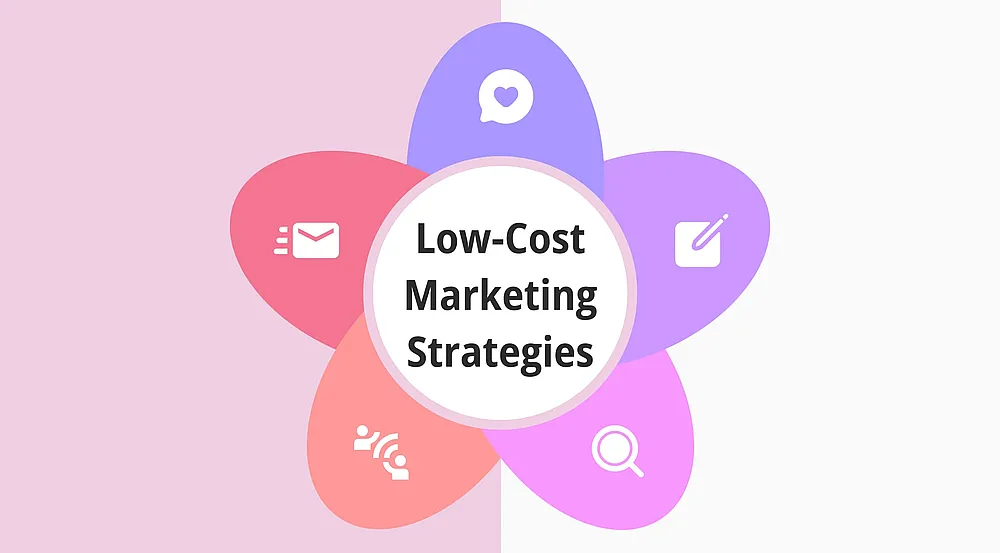
4. Use the Internet to Promote Your Business
You do not need an expensive advertising campaign to reach potential customers.
Start by creating social media accounts and sharing useful content about your products.
You can also create a simple website to display your products, prices, business information, and contact details.
Online platforms can help small businesses reach customers outside their local areas.
5. Manage Your Money Carefully
Even a small business needs proper financial management.
Keep your personal money separate from business money. Record every sale, expense, and profit.
This simple habit will help you understand whether your business is growing or losing money.
Avoid spending all your profits immediately. Save some money for future inventory, equipment, and business development.
6. Start Small and Improve Gradually
You do not need to launch a perfect business from the beginning.
Start with a small number of products or services. Listen to customer feedback and improve your business step by step.
If customers like your products, you can gradually increase production and expand your market.