Introduction
The business environment is changing faster than ever before. Advances in technology, shifting consumer behavior, economic uncertainty, and global competition continue to reshape how organizations operate. In this rapidly evolving landscape, businesses need more than efficient operations or strong financial performance. They need strategic leadership.
Strategic leadership is the ability to create a clear vision, anticipate future challenges, make informed decisions, and guide an organization toward sustainable success. Leaders who think strategically help businesses adapt to change, manage risks, and seize new opportunities before competitors do. As companies prepare for the future, strategic leadership has become one of the most important factors in solving emerging business management challenges.
This article explores the role of strategic leadership, the challenges businesses are likely to face in the coming years, and the practical leadership strategies that can help organizations succeed in an increasingly complex world.
Understanding Strategic Leadership
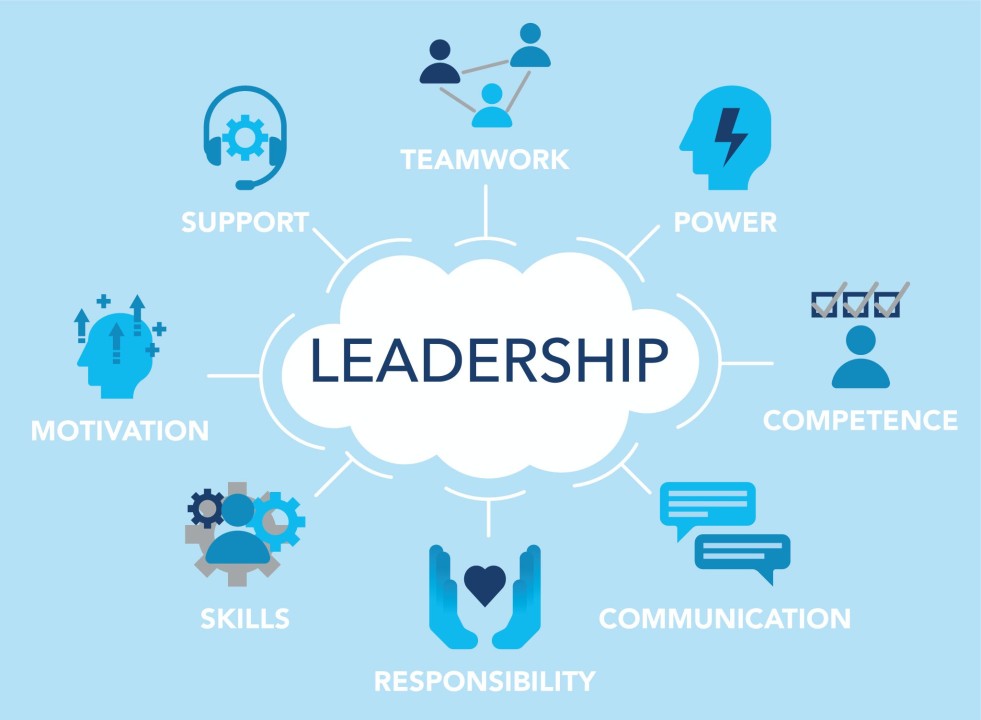
Strategic leadership goes beyond supervising employees or managing daily tasks. It focuses on long-term direction and organizational growth. Strategic leaders analyze trends, evaluate risks, and align people, resources, and technology with the company’s future goals.
Key characteristics of strategic leaders include:
- Vision and long-term thinking
- Strong decision-making skills
- Adaptability and resilience
- Effective communication
- Emotional intelligence
- Commitment to innovation and learning
These qualities enable leaders to guide organizations through uncertainty while maintaining focus on long-term objectives.
Future Business Management Challenges
Businesses across industries face several significant challenges that will shape the future of management.
1. Digital Transformation
Artificial intelligence, automation, cloud computing, and data analytics are transforming business operations. Organizations must continuously adapt their processes and workforce skills to remain competitive.
2. Economic Uncertainty
Inflation, interest rate fluctuations, and global economic disruptions make financial planning more difficult. Businesses need leaders who can respond quickly to changing economic conditions.
3. Workforce Evolution
Remote work, hybrid work models, and changing employee expectations require new approaches to leadership, communication, and performance management.
4. Sustainability and Social Responsibility
Customers and investors increasingly expect companies to operate responsibly and contribute positively to society and the environment.
5. Intensifying Competition
Globalization and digital platforms have lowered barriers to entry, allowing new competitors to emerge rapidly in almost every industry.
Strategic leadership helps organizations address these challenges proactively rather than reactively.
How Strategic Leadership Solves Business Management Challenges
Creating a Clear Vision
A clear vision provides direction during periods of uncertainty. Employees perform more effectively when they understand the organization’s goals and priorities. Strategic leaders communicate this vision consistently and connect daily activities to long-term objectives.
Encouraging Innovation
Future challenges cannot always be solved with traditional methods. Strategic leaders create a culture that encourages creativity, experimentation, and continuous improvement. They support employees who propose new ideas and invest in technologies that improve efficiency and customer value.
Improving Decision-Making
Strategic leaders rely on data, market analysis, and scenario planning to make informed decisions. Instead of reacting emotionally to short-term problems, they evaluate long-term consequences and choose actions that strengthen the organization’s future position.
Building Organizational Resilience
Resilient organizations recover more quickly from crises. Strategic leaders prepare contingency plans, maintain financial discipline, diversify revenue sources, and strengthen relationships with employees, customers, and suppliers.
Developing Future Talent
Leadership is not limited to executives. Strategic leaders invest in employee development, mentorship, and succession planning to ensure the organization has capable leaders for the future.
The Importance of Communication
One of the most overlooked aspects of strategic leadership is communication. During periods of change, employees often feel uncertain about their roles and the future of the organization. Clear communication reduces confusion and builds trust.
Effective leaders:
- Share organizational goals openly.
- Explain the reasons behind major decisions.
- Listen to employee feedback.
- Encourage collaboration across departments.
- Provide regular updates during times of change.
Transparent communication strengthens employee engagement and improves organizational alignment.
Strategic Leadership and Financial Management
Strong leadership is closely connected to strong financial management. Strategic leaders understand that long-term success requires balancing growth opportunities with financial stability.
Important financial leadership practices include:
- Maintaining healthy cash flow.
- Investing in high-value projects.
- Monitoring operational costs.
- Managing debt responsibly.
- Preparing for economic downturns.
Leaders who integrate strategic thinking with financial discipline create organizations that can grow sustainably even during challenging economic conditions.
Technology as a Leadership Tool
Modern leaders must understand how technology can support business strategy. Digital tools provide real-time information that improves decision-making and operational efficiency.
Examples include:
- Business intelligence dashboards
- Customer relationship management (CRM) systems
- Enterprise resource planning (ERP) platforms
- Artificial intelligence for forecasting and analysis
- Collaboration tools for remote teams
Strategic leaders use technology not only to reduce costs but also to create better customer experiences and identify new growth opportunities.
Building an Adaptive Organizational Culture
A company’s culture determines how employees respond to change. Strategic leaders create cultures that value learning, accountability, and adaptability.
An adaptive culture encourages employees to:
- Learn new skills continuously.
- Share ideas openly.
- Solve problems collaboratively.
- Accept change as part of growth.
- Focus on customer needs.
Organizations with adaptive cultures are often more innovative and resilient than their competitors.
Common Leadership Mistakes to Avoid
Even experienced leaders can make mistakes that weaken organizational performance. Common mistakes include:
- Focusing only on short-term results.
- Ignoring employee feedback.
- Resisting technological change.
- Failing to delegate responsibilities.
- Avoiding difficult decisions.
- Neglecting succession planning.
Recognizing these mistakes early allows leaders to make corrections before they create long-term problems.
Practical Strategies for Future-Ready Leadership
Businesses can strengthen strategic leadership by implementing several practical strategies:
- Conduct regular strategic planning sessions.
- Use data analytics to support decision-making.
- Invest in leadership training programs.
- Encourage innovation at every level of the organization.
- Build strong financial reserves and risk management plans.
- Develop succession plans for key leadership positions.
- Strengthen communication between leadership and employees.
- Monitor industry trends and emerging technologies continuously.
These actions help organizations remain competitive while preparing for future challenges.
The Future of Strategic Leadership
The role of leaders will continue to evolve as businesses become more digital, interconnected, and customer-focused. Future leaders will need to combine technical knowledge with human-centered leadership skills. They must understand technology, manage diverse teams, and make ethical decisions that create long-term value for society as well as shareholders.
Successful organizations will be led by individuals who can balance innovation with stability, speed with careful planning, and profitability with social responsibility. Strategic leadership will become even more important as the pace of change accelerates.
Conclusion
Future business management challenges cannot be solved through operational efficiency alone. Organizations need leaders who can think strategically, adapt to change, inspire people, and make decisions that support long-term success. Strategic leadership provides the vision, resilience, and direction necessary to navigate economic uncertainty, technological disruption, workforce transformation, and increasing competition.
Businesses that invest in strong strategic leadership today will be better prepared to face tomorrow’s challenges. By combining clear vision, effective communication, financial discipline, innovation, and continuous learning, leaders can build organizations that remain competitive, resilient, and successful in the future business landscape.