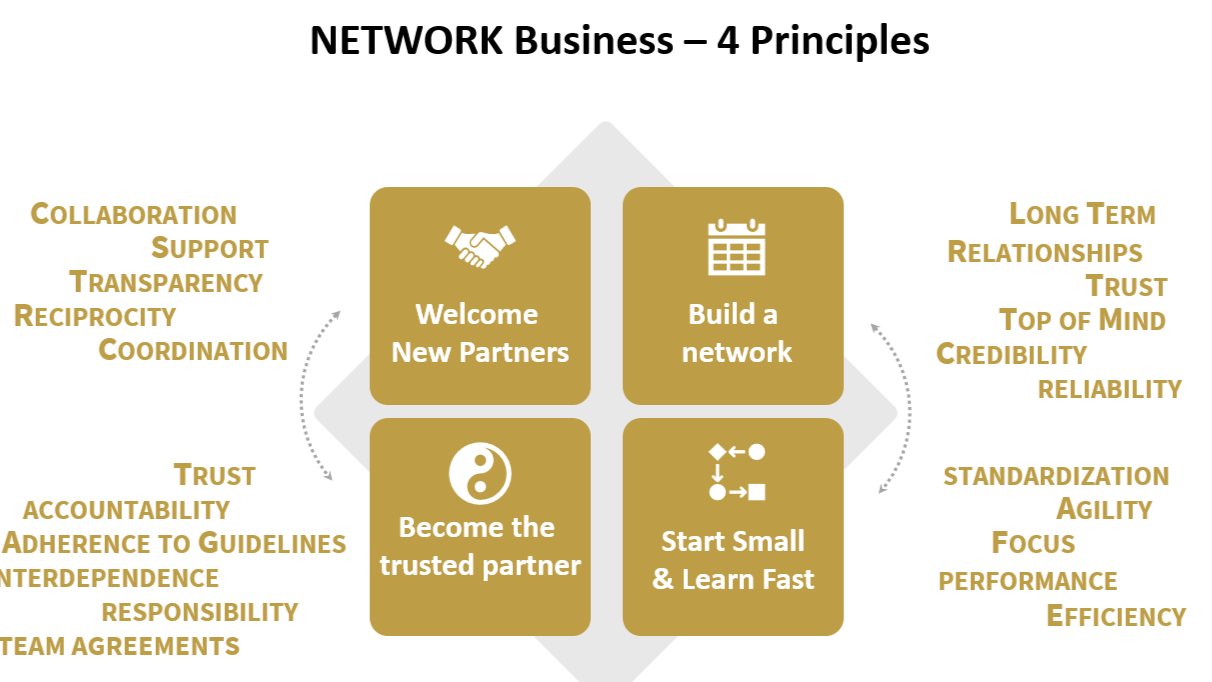
In today’s interconnected business environment, success is rarely achieved in isolation. While innovative products, effective marketing, and strong leadership are important, one factor consistently contributes to long-term growth and sustainability: networking. Building meaningful professional relationships allows businesses to create valuable partnerships that drive expansion, improve efficiency, and unlock new opportunities.
Business partnerships have become increasingly important as companies navigate competitive markets, technological advancements, and changing customer expectations. Whether it involves collaborating with suppliers, distributors, service providers, investors, or complementary businesses, strong partnerships often begin with effective networking.
This article explores the critical role networking plays in building long-term business partnerships and how entrepreneurs can use relationship-building strategies to support sustainable growth.
Understanding Business Networking
Networking is the process of establishing and maintaining professional relationships with individuals and organizations that share similar interests, goals, or industries. While many people associate networking with exchanging contact information at events, successful networking involves much more than making introductions.
Effective networking focuses on:
- Building trust and credibility.
- Creating mutually beneficial relationships.
- Sharing knowledge and resources.
- Identifying collaboration opportunities.
- Supporting professional growth.
Over time, these connections can evolve into strategic partnerships that generate value for all parties involved.
Why Long-Term Business Partnerships Matter
Business partnerships provide companies with access to resources, expertise, and opportunities that may be difficult to achieve independently. Unlike short-term transactions, long-term partnerships are built on trust, shared objectives, and ongoing collaboration.
Strong business partnerships can help organizations:
- Reach new markets.
- Increase customer acquisition.
- Reduce operational costs.
- Improve innovation.
- Strengthen competitive advantages.
- Expand service offerings.
In many industries, partnerships have become essential for maintaining growth and adapting to changing market conditions.
Networking Creates Opportunities for Collaboration
One of the most significant benefits of networking is its ability to connect businesses with potential partners. Entrepreneurs who actively participate in professional communities are more likely to encounter organizations with complementary strengths and shared goals.
For example, a software development company may connect with a digital marketing agency, creating opportunities to offer integrated solutions to clients. Similarly, a manufacturer may develop relationships with distributors that help expand market reach.
Without networking, many of these opportunities might never emerge.
Networking serves as a bridge that brings businesses together and facilitates productive collaboration.
Building Trust Through Consistent Interaction
Trust is the foundation of every successful business partnership. Companies are unlikely to commit to long-term collaborations without confidence in each other’s reliability, professionalism, and integrity.
Networking helps build trust through regular interaction and relationship development. By engaging consistently with industry peers, business owners can demonstrate their expertise, values, and commitment to delivering quality results.
Trust develops over time through:
- Honest communication.
- Reliability and consistency.
- Mutual respect.
- Shared experiences.
- Delivering on commitments.
Strong partnerships often emerge from relationships that have been carefully nurtured over months or even years.
Expanding Access to Knowledge and Expertise
Networking provides opportunities to connect with professionals who possess specialized skills and industry knowledge. These relationships can lead to partnerships that enhance business capabilities and improve overall performance.
Collaborating with knowledgeable partners allows businesses to:
- Access technical expertise.
- Gain industry insights.
- Solve complex challenges.
- Improve operational efficiency.
- Accelerate innovation.
For small businesses and startups, partnerships can provide access to resources and experience that would otherwise require significant investments.
The exchange of knowledge often becomes one of the most valuable aspects of long-term business relationships.
Enhancing Business Credibility
A strong professional network can significantly improve a company’s credibility and reputation. When respected professionals and organizations choose to collaborate with a business, it sends a positive signal to customers, investors, and other stakeholders.
Networking helps entrepreneurs establish themselves within their industries and gain recognition for their expertise.
Credibility gained through networking can lead to:
- Increased referrals.
- New partnership opportunities.
- Greater customer trust.
- Improved brand visibility.
As a business’s reputation grows, attracting high-quality partners becomes easier.
Facilitating Strategic Partnerships
Strategic partnerships occur when two or more organizations collaborate to achieve goals that benefit all participants. These partnerships often result from networking efforts that identify shared interests and complementary strengths.
Examples of strategic partnerships include:
- Joint marketing campaigns.
- Referral agreements.
- Product integrations.
- Co-branded initiatives.
- Technology collaborations.
- Distribution partnerships.
Successful strategic partnerships enable businesses to expand their reach, improve efficiency, and create additional revenue streams.
Networking helps identify potential partners who align with a company’s values and objectives.
Supporting Business Growth and Expansion
As businesses grow, they often require additional resources, expertise, and market access. Networking can facilitate partnerships that support expansion efforts.
For example, entering a new geographic market may require local partners who understand regional customer preferences and regulations. Similarly, launching new products may involve collaboration with manufacturers, distributors, or technology providers.
Partnerships formed through networking can accelerate growth by providing:
- Market access.
- Operational support.
- Industry connections.
- Shared resources.
- Financial opportunities.
Businesses that actively invest in networking are often better positioned to capitalize on growth opportunities.
Leveraging Digital Networking Platforms
The rise of digital technology has transformed how businesses network and build partnerships. Entrepreneurs can now connect with professionals worldwide through online platforms, virtual conferences, webinars, and industry communities.
Digital networking offers several advantages:
- Access to global markets.
- Increased visibility.
- Lower networking costs.
- Faster communication.
- Continuous engagement opportunities.
While technology simplifies networking, the principles of relationship-building remain unchanged. Authenticity, trust, and value creation continue to be essential for developing lasting partnerships.
Businesses that combine online and offline networking strategies often achieve the best results.
Best Practices for Building Long-Term Partnerships Through Networking
To maximize the value of networking, entrepreneurs should focus on developing meaningful relationships rather than pursuing immediate business gains.
Effective networking practices include:
Prioritize Relationship Building
Focus on understanding the needs and goals of potential partners before discussing business opportunities.
Offer Value First
Provide support, insights, introductions, or resources that can help others succeed.
Maintain Regular Communication
Consistent communication helps strengthen relationships and keeps partnerships active.
Demonstrate Reliability
Follow through on commitments and maintain professional standards at all times.
Seek Mutual Benefits
The strongest partnerships create value for all parties involved.
Invest in Long-Term Connections
Successful partnerships are built gradually through trust, collaboration, and shared success.
Overcoming Networking Challenges
Some entrepreneurs view networking as time-consuming or uncomfortable. However, networking does not require attending large events or constantly promoting oneself.
Effective networking can occur through:
- Industry associations.
- Professional groups.
- Online communities.
- Business referrals.
- Educational events.
- Local business organizations.
The key is consistency and genuine engagement rather than quantity of connections.
Quality relationships often produce far greater results than large networks of superficial contacts.
Conclusion
Networking plays a vital role in building long-term business partnerships that contribute to sustainable growth and success. Through networking, businesses can establish trust, discover collaboration opportunities, access valuable expertise, and expand their reach into new markets.
In an increasingly connected business environment, partnerships have become essential for innovation, competitiveness, and resilience. By focusing on authentic relationship-building, entrepreneurs can create strong professional networks that lead to mutually beneficial partnerships and long-term business success.
Ultimately, networking is not just about meeting new people—it is about building meaningful relationships that create lasting value. Businesses that invest in these relationships are better equipped to adapt, grow, and thrive in an ever-changing marketplace.