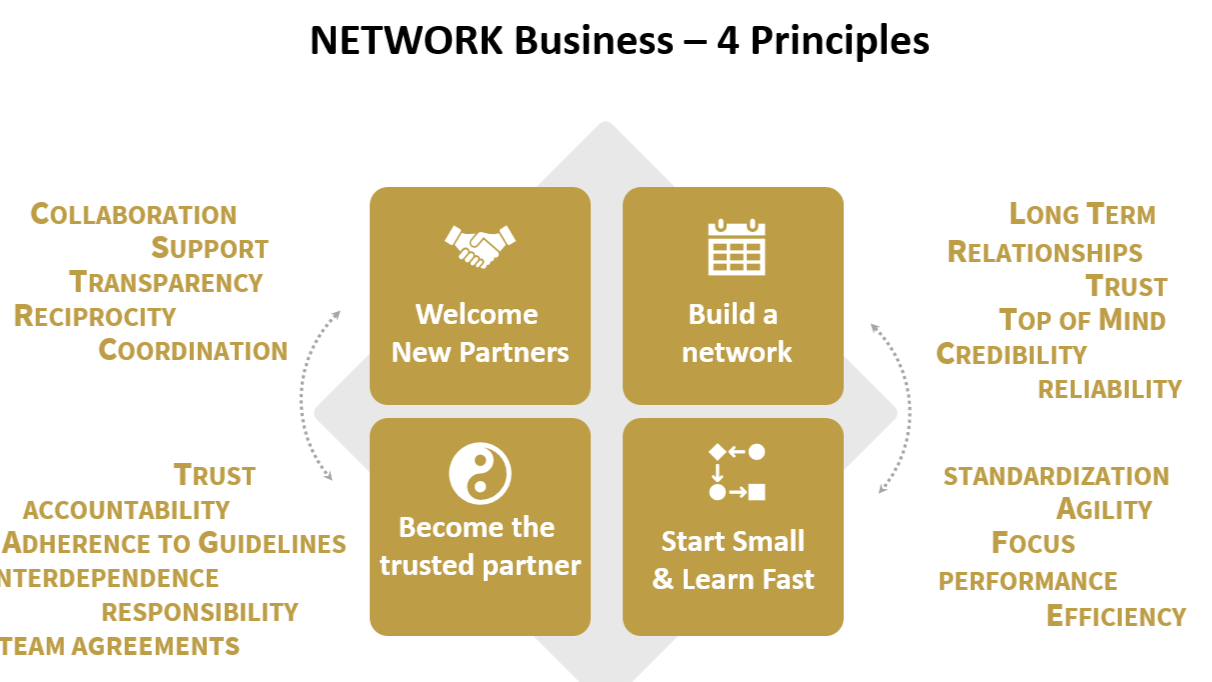
Customer trust is one of the most valuable assets a business can have.
You may offer competitive prices and attractive products, but customers will not return if they do not trust your company.
Building trust takes time. It requires honest communication, consistent product quality, and good customer service.
In my opinion, businesses that focus on long-term customer relationships have a stronger foundation for sustainable growth.
Here are some practical ways to build customer trust.
1. Be Honest About Your Products
Never promise something that your product cannot deliver.
Provide accurate product descriptions, specifications, photographs, and prices.
If there are limitations, explain them clearly.
Customers appreciate businesses that communicate honestly rather than making unrealistic promises.
2. Provide Good Customer Service
Customer service can make a big difference.
Respond to questions politely and try to solve customer problems as quickly as possible.
You do not need a large customer service team to provide a good experience.
Even a small business can offer friendly and professional support.
3. Keep Your Promises
If you promise to deliver an order on a certain date, do your best to meet that commitment.
If unexpected problems occur, inform customers as soon as possible.
Keeping promises helps create a positive business reputation.
4. Display Real Customer Reviews
Customer reviews can help potential buyers understand your business.
Display genuine feedback from customers who have purchased your products or used your services.
You should also respond to negative reviews professionally.
A reasonable response to criticism can show that your company cares about customer satisfaction.
5. Create a Professional Online Presence
Your online presence is often the first thing potential customers see.
Make sure your website contains accurate company information, product details, contact information, and clear business policies.
Keep your social media accounts active and avoid sharing misleading information.
A professional website can help customers feel more confident when dealing with your business.
6. Protect Customer Information
Customers expect businesses to handle their personal information responsibly.
Use secure systems, limit access to customer data, and avoid collecting information that is not necessary.
If you operate an online store, pay attention to payment security and privacy policies.
7. Focus on Long-Term Relationships
Do not treat every customer interaction as a one-time transaction.
Follow up when appropriate, listen to feedback, and offer useful support after a purchase.
Satisfied customers may return and recommend your business to friends or colleagues.
Word-of-mouth recommendations can be extremely valuable, especially for small businesses.